Roof leaks after a Hobart storm: Is it roofing, guttering, or plumbing?
A practical guide to spotting where storm water is coming from—roof sheets, flashings, gutters or plumbing—and what temporary steps and professional inspections look like to protect your Hobart home.
Why identifying the source matters
After a Hobart storm, water showing up in your ceiling or walls can come from several places: damaged roof sheets, failed flashings, blocked or detached gutters and downpipes, or even internal plumbing failures. Knowing which system is failing helps prioritise emergency protections, prevents unnecessary repairs, and shortens downtime for your home.
Quick symptom checklist to narrow the source
Start with a few simple observations: is the leak worst during heavy wind-driven rain (more likely roofing or flashing), or steady whenever any water runs inside the house (possible plumbing)? Are there wet patches on external walls below a roofline joint or ridge? Do you see stains directly under a valley or around a chimney? Noting when the leak appears, where it tracks, and whether external roof features line up with internal damage helps point to the right trade—roofer, gutterer or plumber.
Roof sheets and flashings: what to look for externally
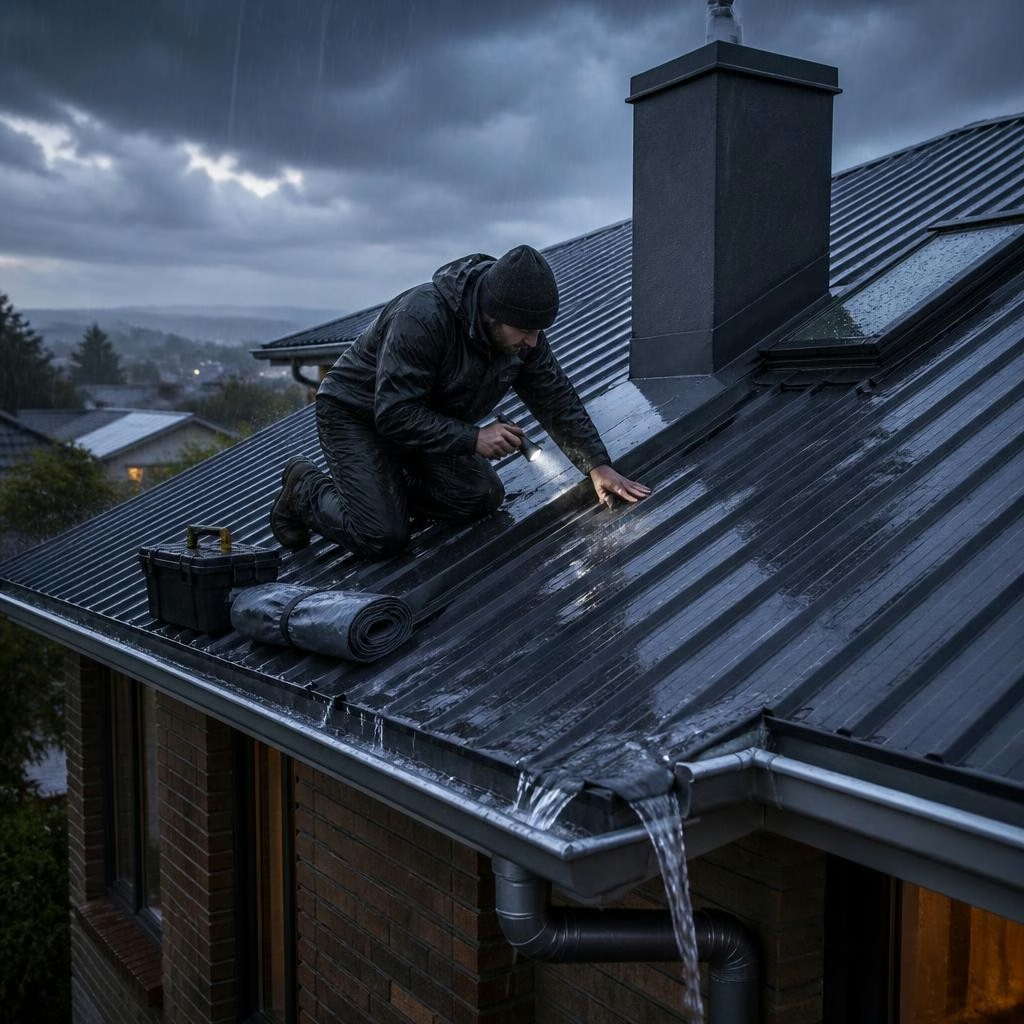
Inspect the roof (from a safe vantage or get a pro to do it): look for lifted or missing screws, split or corroded metal sheets, loose ridge caps, and gaps in the flashing around chimneys, vents and skylights. Flashings are common fail points after storms because they’re exposed to wind and movement—if flashing sealant is cracked or displaced, water will track underneath sheets and appear inside the home.
Gutters and downpipes: overflow and attachment issues
Blocked or sagging gutters and disconnected downpipes show clear signs: water pouring over the front of the gutter during rain, plants or debris inside the gutter, and rust or trough deformation. Overflows near eaves can soak wall cavities or insulation and mimic a roof leak. Check whether water pours directly off the roof where a downpipe is blocked—this often causes repeat internal staining at the same spot.
Plumbing leaks that mimic roof problems
Not every ceiling stain is from above. Leaks from hot water systems, pipes in roof cavities, or blocked internal waste lines can drip into ceilings and walls. Clues for a plumbing origin include wetness that appears when specific appliances run (washing machine, dishwasher, shower), persistent damp even in dry weather, or water concentrated around bathroom/kitchen areas rather than directly under roof seams.
Immediate temporary measures to protect your home
If you can’t get a professional on site right away: place buckets to catch drips, move furniture away and lift wet items off the floor, gently puncture a bulging ceiling to release pooled water into a container to prevent sudden collapse, and use tarpaulins to cover exposed roof areas if safe to do so. Clear gutters from the ground where possible (without climbing a ladder in wet, windy conditions). For gas or major water supply concerns, isolate the relevant valves and call for emergency help.
How a plumbing and roofing specialist investigates
A combined approach is best: trained technicians perform a visual roof and gutter check, inspect flashings and metal roof fixings, and trace internal water paths. J & J Plumbing & Gasfitting uses non-invasive leak-detection methods and drainage cameras where appropriate, plus experienced roofing repair capabilities and gutter/flashings work to find and fix the root cause. Expect a clear report of findings, recommended repairs, and an outline of temporary measures taken to keep your property safe.
When to call professionals and what to expect next
Call a qualified tradesperson if the leak is large, recurring, affecting electrical fixtures, or you suspect gas or hot water system involvement. A reputable team will respond promptly, prioritise safety, provide a scoped inspection, and leave the site tidy—customers frequently note quick communication and spotless work after complex jobs. From there you’ll get a repair plan that may include flashing reseal/replacement, gutter repairs or downpipe realignment, roof sheet repairs or a targeted plumbing fix.
Customer review


Article by
J & J Plumbing & Gasfitting
J & J Plumbing & Gasfitting is Hobart’s local expert for residential and commercial plumbing and gasfitting. We provide 24/7 emergency burst pipe and gas leak response, hot water system installation and repairs (gas, electric, heat pump), drain, sewer and stormwater cleaning with high-pressure jetting, commercial kitchen fitouts, roofing/gutter repairs and full renovations/new-home plumbing. Licensed, safety-focused technicians using modern equipment to deliver fast, reliable, and long-lasting solutions across Hobart and surrounding areas. Request a quote or book a service today.